













TL;DR
- Lindsey Graham died Saturday at 71.
- John Casey’s column said Graham built his image around Donald Trump after once attacking him.
- Casey also said Graham’s anti-LGBTQ+ record drew long-running anger from the community.
- The piece described Graham as isolated in politics and personal life.
Lindsey Graham died Saturday at 71, leaving behind a political legacy shaped as much by his alliance with Donald Trump as by his long record of opposing LGBTQ+ rights.
In a column published after his death, John Casey wrote that Graham drew intense attention for years because of persistent rumors about his private life, his repeated denials, and the anger he generated among LGBTQ+ people through decades of voting and rhetoric against their rights.
A senator who drew scrutiny for both private rumor and public record
Graham was a lifelong bachelor who never married and was never publicly linked to a woman in a serious relationship. Casey noted that this fueled speculation in Washington, though he also stressed that he could not know the truth about Graham’s private life.
Those rumors resurfaced repeatedly over the years. In June 2020, “Lady G” trended on social media after adult film performer Sean Harding alleged that Graham hired male sex workers. In September 2024, far-right provocateur Laura Loomer publicly urged Graham to come out after he criticized Donald Trump’s campaign style.
Separately, Casey wrote that Graham’s political record “earned a lot of anger” from LGBTQ+ people because he was a reliable vote against protections and bills affecting the community for much of his career.
From Trump critic to loyal defender
Graham spent 2016 warning that Trump was a con man who would damage the Republican Party. He later became one of Trump’s closest political allies, appearing frequently as a defender on cable news and earning the label of “Trump whisperer” in the Senate.
After the attack on the Capitol on January 6, 2021, Graham briefly broke with Trump from the Senate floor. “All I can say is count me out,” he said, adding, “Enough is enough.”
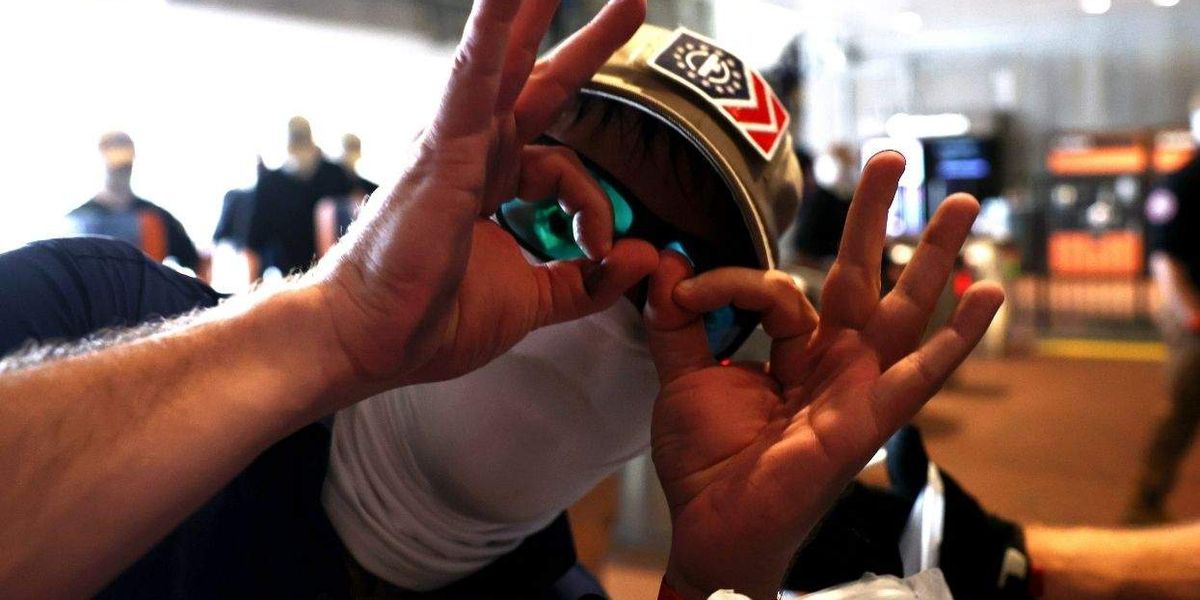
But that split did not last. Two days later, Trump supporters confronted Graham at Reagan National Airport and called him a “traitor.” Casey wrote that the episode pushed Graham back into Trump’s corner, and that he soon returned to the former president’s orbit as Trump regained power.
In recent years, Graham became one of Trump’s most vocal supporters, including on the issue of Iran. He urged South Carolinians to prepare to send their “sons and daughters” into a Middle East conflict, a stance that drew concern even from some members of his own party.
Casey said Graham’s alignment with Trump became so complete that he even suggested Trump should be pope.
Legacy and response
Casey argued that Graham’s political identity had become inseparable from proximity to power and personal survival, at the expense of principle. He also said Graham’s public hostility toward LGBTQ+ rights had caused lasting harm.
Graham’s death does not, Casey wrote, require praise. He described the senator as isolated in both life and politics and said Graham “died a lonely man.”
The column placed Graham in the same category as other figures Casey has criticized after death, including Rush Limbaugh, Pat Robertson, Anita Bryant and James Dobson, arguing that a damaging record does not disappear with obituary coverage.
Related stories
- White House report targets Smithsonian over LGBTQ+ and drag exhibits
- Internet turns Scott Jennings’ McConnell post into a meme storm
- Trump’s opening week of America’s 251st year raises alarms over racism and rights rollbacks
- Ann Widdecombe, former Conservative minister and longtime opponent of LGBTQ+ equality, has died aged 78
Gallery

Alexander Rivera
Alex Rivera, a seasoned political journalist, brings over a decade of experience covering U.S. politics. An alumnus of Columbia University's Journalism School, Alex is known for insightful analyses of political trends a…
More stories →



Comments (0)
Join the conversation